Email Marketing Best Practices 2026: What Still Works, What Changed, and What Small Businesses Should Do Next
Email still delivers some of the best ROI in digital marketing, and the smartest Email marketing best practices 2026 are built around consent, deliverability, and better tracking. For many small and mid-sized businesses, it returns around $36 for every $1 spent. But the rules changed. Open rates are less reliable, spam filters are stricter, and sloppy email practices can hurt your results fast.
If you run a local service business or small company, here’s the simple version: email still works, but only if you build it the right way. This guide covers what matters now, what to stop tracking, and what to focus on instead.
What Email Marketing Actually Is
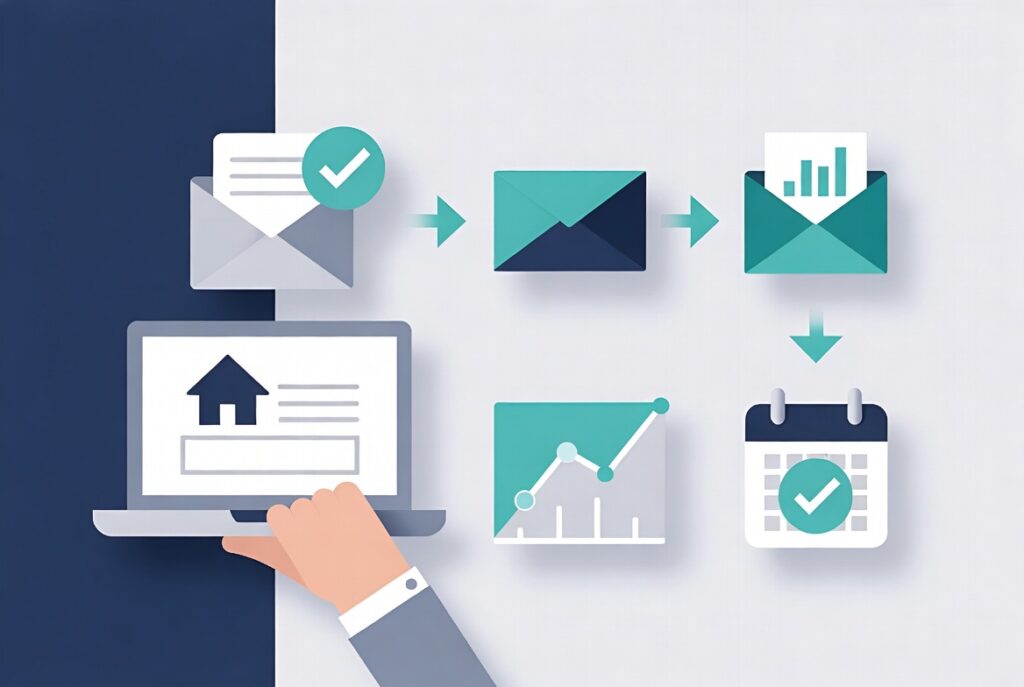
Email marketing means sending messages to people who gave you permission to hear from you. That can include leads, past customers, repeat customers, or referral partners.
The big advantage is simple: your email list is an asset you own. Google rankings can drop. Facebook ad costs can jump. But your list stays yours.
What separates real email marketing from spam:
- The person opted in
- Your business is clearly identified
- There is an easy unsubscribe link
- You follow sending rules and privacy laws
How Email Marketing Works in Real Life
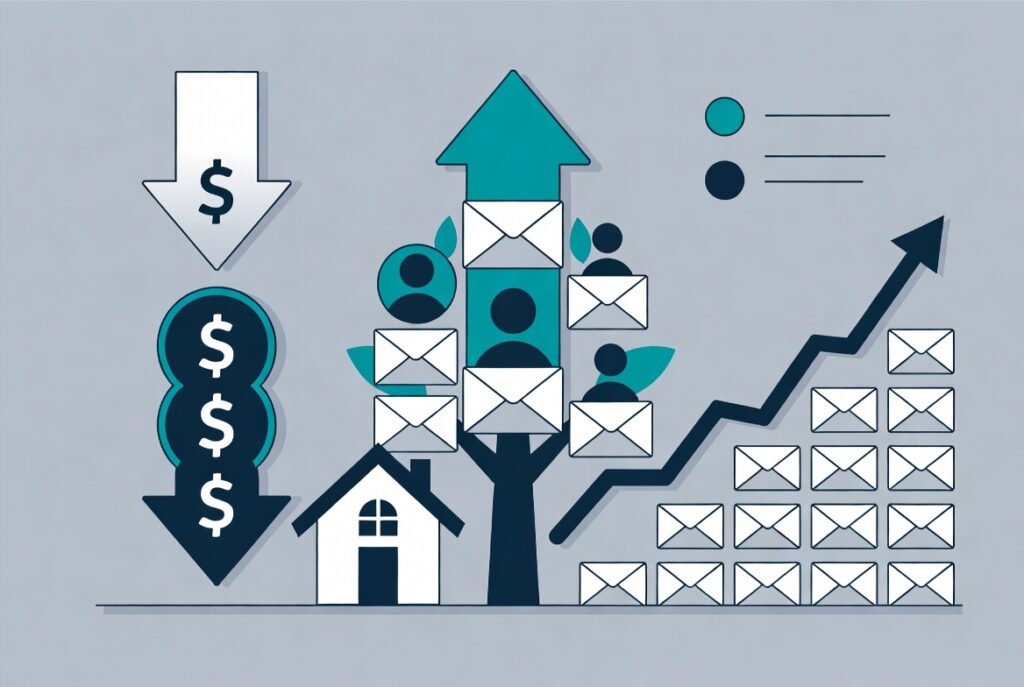
Most email programs follow the same basic process:
- Collect email addresses through a form, estimate request, coupon, lead magnet, or checkout
- Store those contacts in your CRM or email platform
- Send either a campaign or an automated follow-up
- Track clicks, replies, conversions, and complaints
- Adjust based on what produces jobs and revenue
Where most businesses go wrong is they only send occasional promotions. The stronger setup has three layers:
- Campaigns: newsletters, promos, seasonal offers
- Automations: welcome emails, follow-ups, review requests, win-back emails
- Deliverability: technical setup so your emails actually hit the inbox
If the foundation is weak, the rest does not matter.
Why Email Still Works in 2026
Email matters even more now because paid ads are more expensive and harder to track. Privacy changes also made retargeting less reliable.
That makes email valuable for one reason: it compounds.
A roofing company can send follow-ups to old estimates. A garage door company can stay in touch with past customers. A fencing contractor can send seasonal offers before spring demand picks up. No extra ad spend required every time.
That is why email remains one of the best retention and reactivation tools for home service businesses.
Email Marketing Best Practices 2026 for Small Businesses
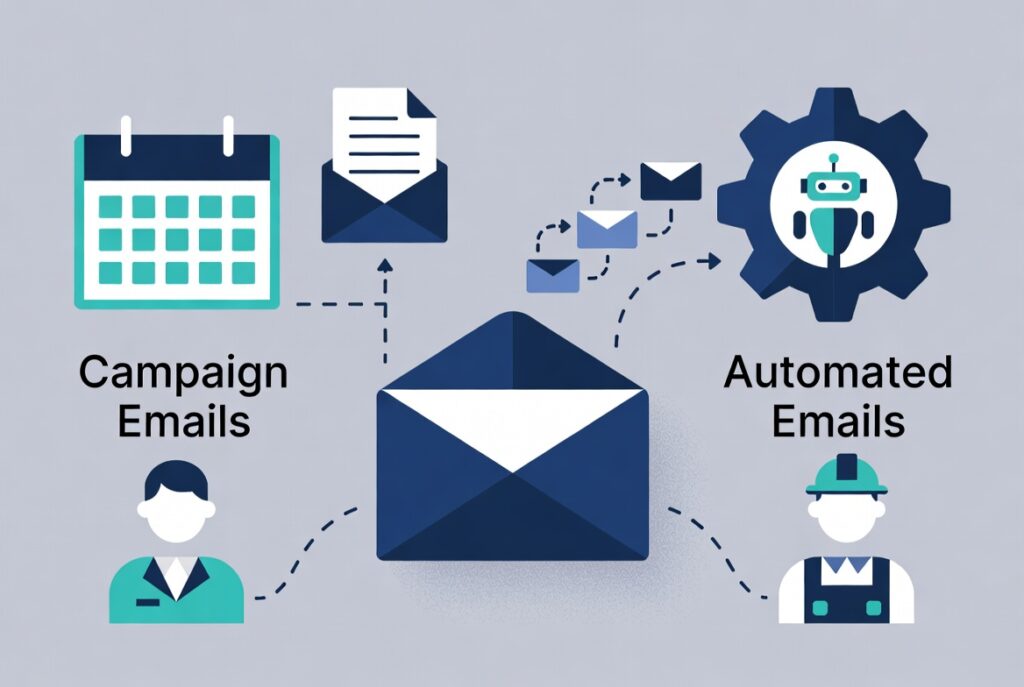
Keep it simple. There are two main categories:
1. Campaign Emails
These are one-time sends to a group of people.
- Monthly newsletters
- Special promotions
- Seasonal reminders
- Company updates
2. Automated Emails
These go out based on an action or timing.
- Welcome series after a signup
- Estimate follow-up emails
- Post-service review requests
- Win-back emails to old customers
- Appointment reminders and confirmations
For most local businesses, automations are the better place to start. They run in the background and often produce the highest ROI.
How to Build an Email List Without Hurting Your Domain
The best email list is built with permission. Do not buy lists. Do not scrape emails. Do not upload random contacts and blast them.
That is the fastest way to get flagged as spam.
Better ways to build a list:
- Add email capture forms to your website
- Offer a quote follow-up opt-in
- Use a lead magnet like a checklist or service guide
- Collect emails during booking or invoicing
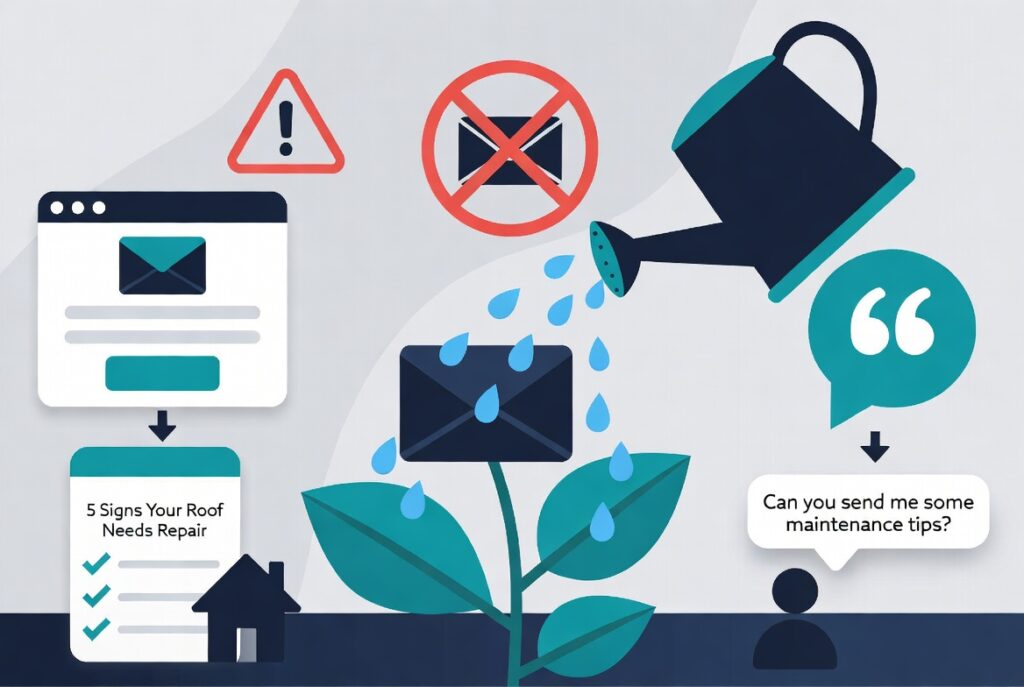
- Ask happy customers if they want maintenance tips or seasonal reminders
Good lead magnets are specific. For example:
- “5 signs your roof needs repair before storm season”
- “Garage door maintenance checklist for homeowners”
- “How to choose the right fence for privacy and HOA rules”
If possible, use double opt-in. It gives you a cleaner list and fewer spam issues.
Segmentation Beats Blasting Everyone
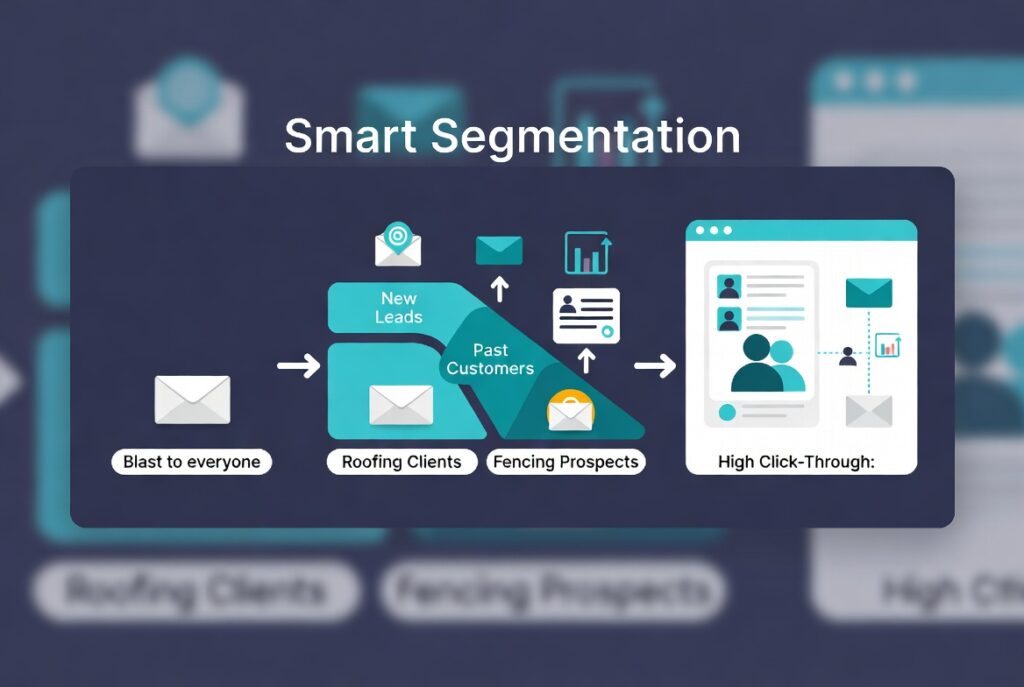
Sending the same message to your full list is lazy marketing. It usually leads to lower clicks, more unsubscribes, and more spam complaints.
Instead, group people by what matters:
- New leads
- Past customers
- Customers by service type
- Recent estimates not closed
- Inactive contacts
- Location or service area
Example:
A handyman company should not send the same email to a new lead asking for a quote and a past customer who already hired them twice. One needs trust-building. The other may respond to a repeat-service offer.
Real personalization is not just using a first name. It is sending the right message based on where the customer is in the buying cycle.
Deliverability: The Part Most Businesses Ignore
Deliverability means whether your emails land in the inbox instead of spam. This is now a serious issue.
Gmail, Yahoo, and Microsoft tightened sender rules. If you send at scale, you need:
- SPF
- DKIM
- DMARC
- One-click unsubscribe
- Spam complaints below 0.3%
If those are not set up correctly, inbox placement drops.
Three habits protect deliverability:
- Remove bad email addresses and hard bounces
- Stop mailing people who never engage
- Warm up new sending domains or platforms slowly
If your open rates suddenly collapse or emails start landing in spam, do not just send more. Fix the setup first.
How to Write Emails People Actually Click
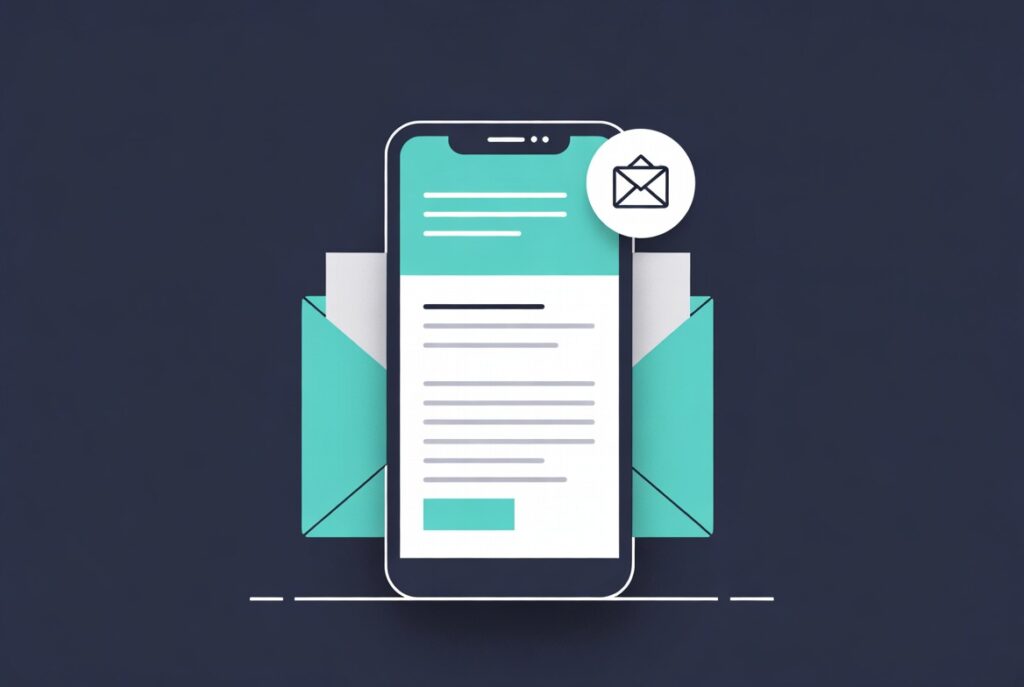
Good email copy is simple. Most people read emails on their phones and skim fast.
Use these rules:
- Write clear subject lines, not clever ones
- Keep one main goal per email
- Use one primary call to action
- Keep paragraphs short
- Make buttons easy to tap on mobile
Subject line examples:
- Good: Spring roof inspection checklist
- Good: Your garage door estimate follow-up
- Bad: ACT NOW!!! LIMITED TIME!!!
Your preheader should support the subject line, not repeat it.
Design should also stay simple. One headline. One main button. One clear next step.
The Best Automations for Small Service Businesses
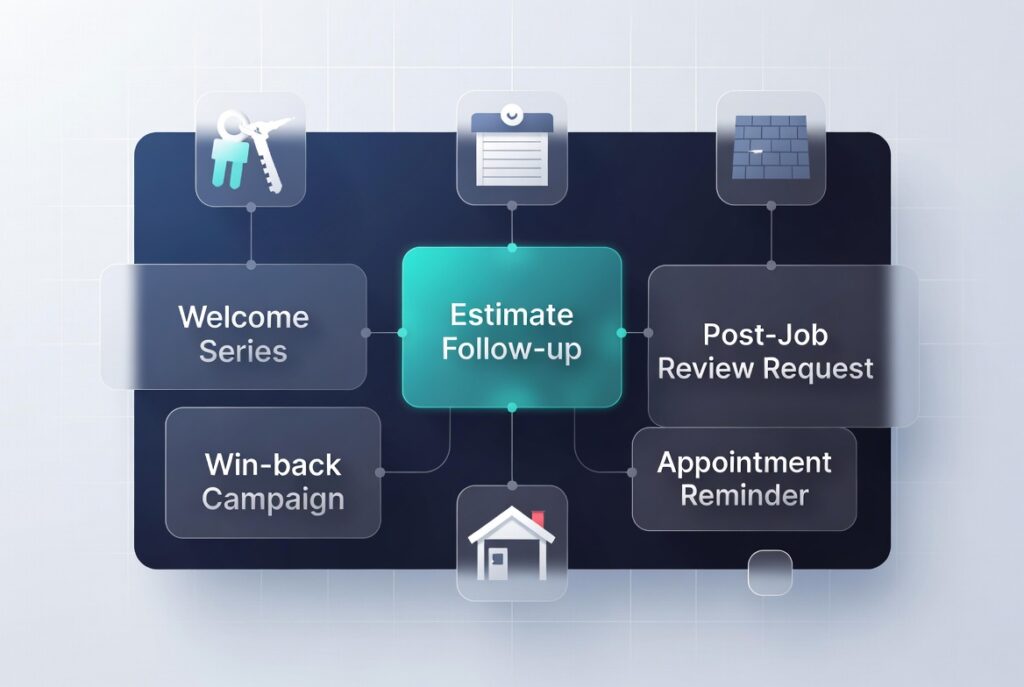
You do not need a huge system. Start with a few high-impact automations:
- Welcome series for new subscribers or leads
- Estimate follow-up for people who requested pricing but did not book
- Post-job follow-up asking for a review or referral
- Win-back campaign for old customers
- Transactional emails like confirmations, reminders, and updates
Example:
A locksmith can send a welcome email with trust signals and service areas. A second email can explain response times. A third can offer a quick reminder to save the business number for emergencies.
That is simple automation, and it works.
What to Measure Now That Open Rates Are Less Reliable
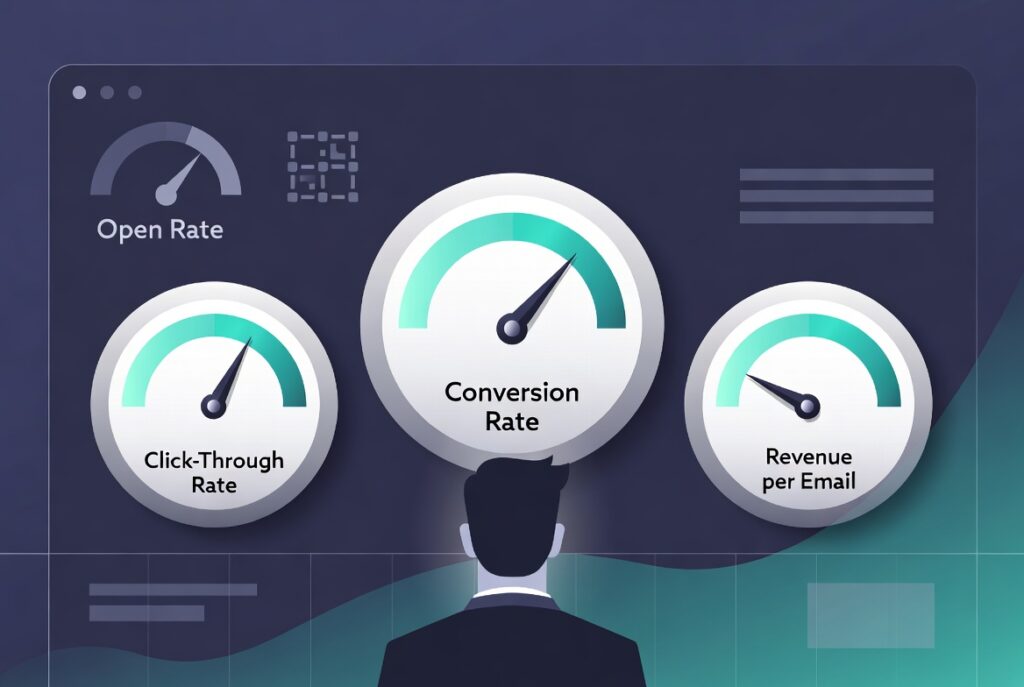
Apple Mail Privacy Protection made open rate a weak headline metric. Many opens are now inflated because tracking pixels get triggered automatically.
That means you should focus more on:
- Click-through rate
- Conversion rate
- Revenue per email
- Reply rate
- Unsubscribe rate
- Spam complaint rate
- Engaged subscriber percentage
Open rate is still useful as a rough signal, but it should not be your main KPI anymore.
For most businesses, a better definition of an engaged contact is someone who clicked or replied in the last 60 to 90 days. That shift is one of the most important email marketing best practices for 2026 because it keeps attention on real business outcomes instead of vanity metrics.
Compliance and Common-Sense Rules
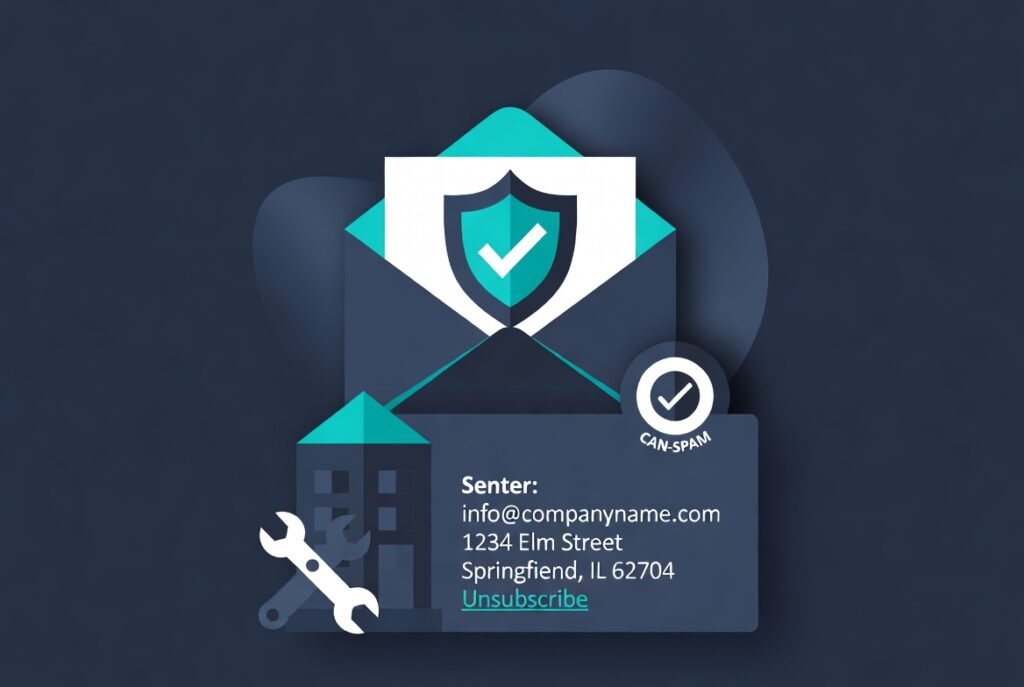
If you send marketing emails in the U.S., start with CAN-SPAM basics:
- Use accurate sender details
- Do not use misleading subject lines
- Include your business address
- Make unsubscribing easy
- Honor opt-outs fast
If you have contacts in Canada or Europe, stricter rules may apply. The safest move is simple: run a permission-based email program everywhere.
That keeps you cleaner legally and helps deliverability too.
Where AI Helps and Where It Does Not
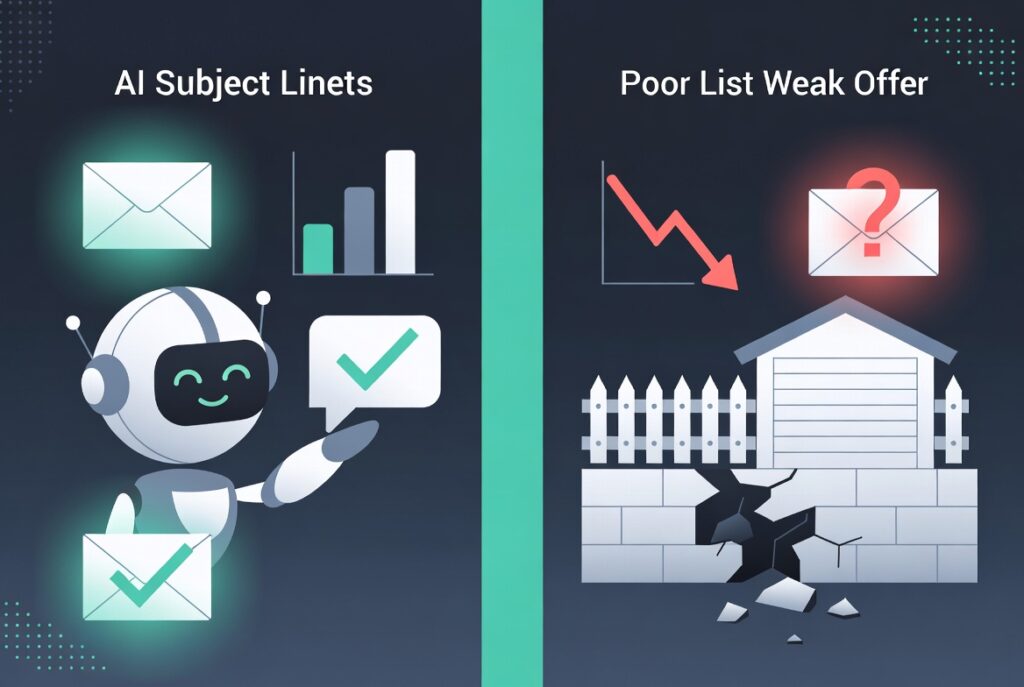
AI can help with:
- Subject line ideas
- First drafts of email copy
- Testing content variations
- Send-time suggestions
AI should not replace strategy.
If your offer is weak, your list is poor, or your deliverability is broken, AI will not save the campaign. Use it as a tool, not a shortcut.
Common Email Marketing Mistakes to Avoid
- Buying or scraping email lists
- Skipping SPF, DKIM, and DMARC
- Using open rate as your main success metric
- Sending every email to your whole list
- Hiding the unsubscribe link
- Sending from a no-reply address
- Ignoring inactive subscribers
- Designing only for desktop
Most email problems are not creative problems. They are list quality, targeting, or technical setup problems.
Final Takeaway
Email marketing still works in 2026. In many cases, it works better than channels you do not control. But the easy-win days are gone. You need consent, good segmentation, solid technical setup, and a clear reason for people to stay on your list.
If you run a home service business, start small:
- Build a clean list
- Set up authentication correctly
- Launch a welcome sequence
- Add estimate and post-job follow-ups
- Track clicks, leads, and booked jobs
Following the right Email marketing best practices 2026 can create a steady stream of repeat work and missed-opportunity recovery.
If you want help building an email system that actually supports lead generation and revenue, Kazakov Agency can help.
📌 Related Resources & Services
Main Service: Explore our comprehensive Content Marketing Services.
Recommended Articles:
Next Step: Learn how we deliver measurable growth — CRO & High-Converting Landing Pages.