11 Home Service Lead Generation Strategies to Improve Google Ads Lead Quality
Getting a lot of Google Ads leads feels good until your phone rings with tire-kickers, spam calls, bad zip codes, or people asking for services you do not even offer.
That is a common problem for home service companies, and it is exactly why strong home service lead generation strategies matter. If you tell Google to optimize for any phone call or any form fill, it will usually find the cheapest, easiest people to convert, not the best customers.
If you want better roofing leads, better garage door leads, better fencing leads, or better handyman jobs, you have to train Google what a real lead looks like. Here are 11 practical ways to improve lead quality without wasting more budget.
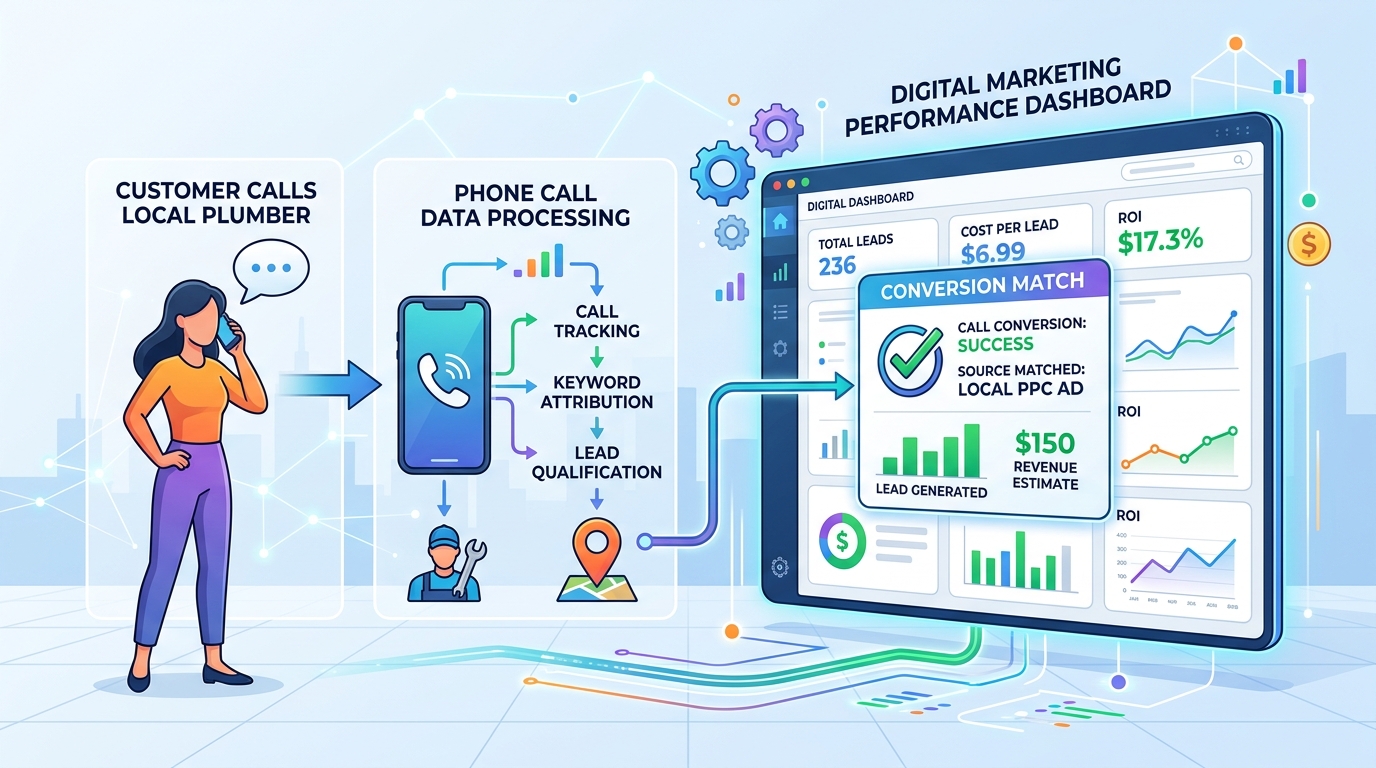
1. Set up offline conversion tracking first
If you only do one thing from this list, do this.
Offline conversion tracking tells Google which leads actually turned into:
– booked estimates
– qualified jobs
– sold projects
– real revenue
A form submission is not the same as a good lead. A 30-second phone call is not the same as a paying customer.
When you connect your CRM, call tracking platform, or lead tracking system back to Google Ads, the algorithm starts learning who your real buyers are.
Example: A roofing company gets 40 leads in a month, but only 9 are homeowners in the right service area with storm damage and insurance potential. That is the signal Google needs.
Without that data, Smart Bidding, broad match, and Performance Max can easily chase junk.
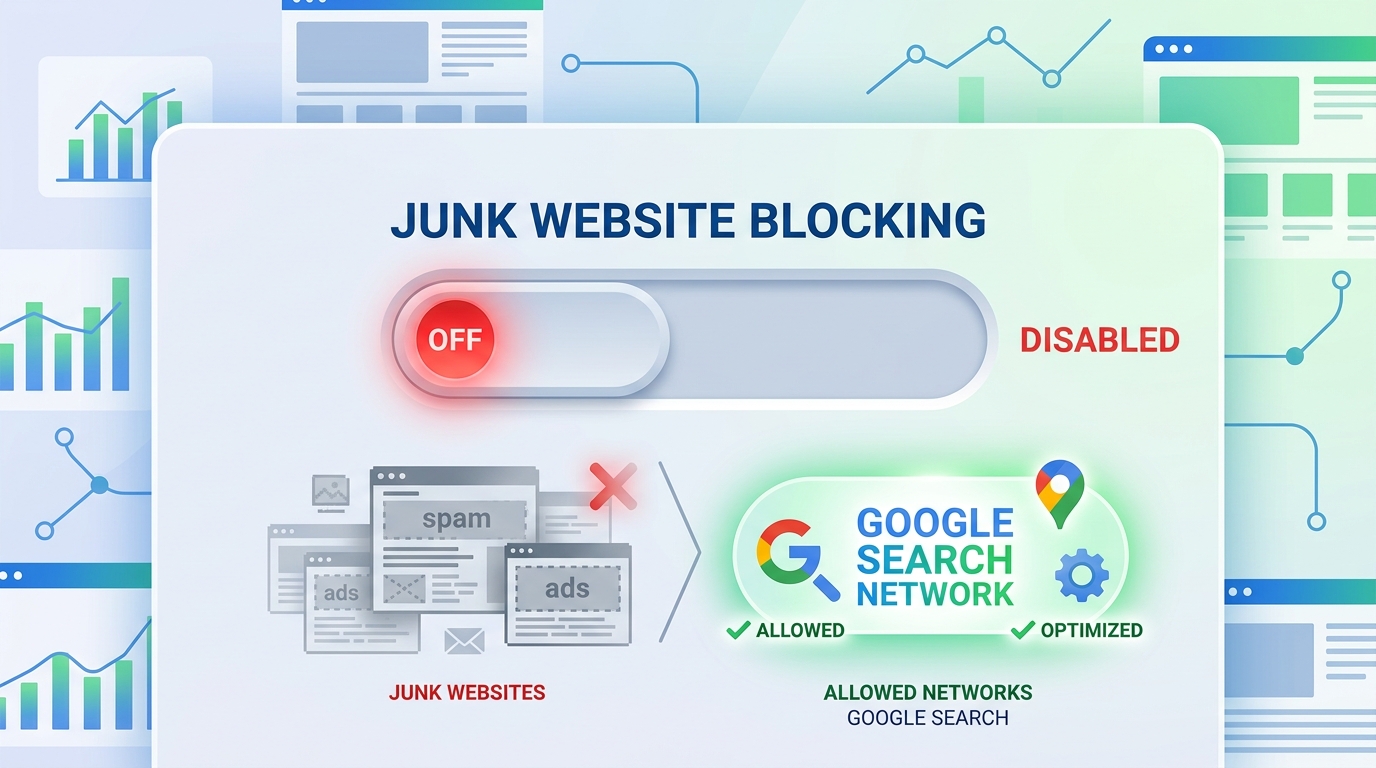
2. Turn off Search Partners
For most local lead gen accounts, Search Partners are not worth the risk.
This traffic often looks cheap on paper, but the lead quality can be weak. If you see:
– very low CPCs
– lots of impressions
– poor lead quality
– odd search behavior
Search Partners may be the reason.
Go into your campaign settings and uncheck Search Partners. For many contractors, this one change alone cuts junk leads fast.
3. Be careful with the Display Network
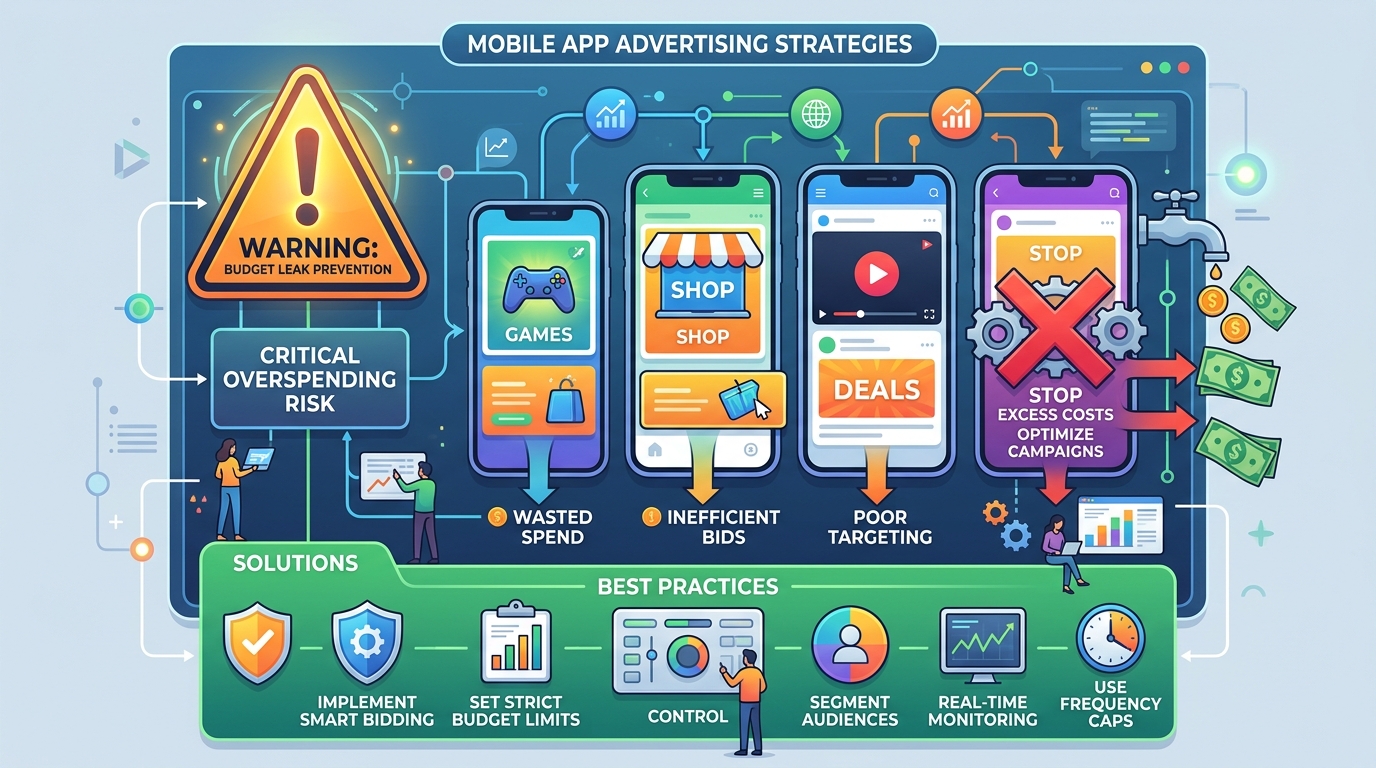
The Google Display Network can burn money quickly if your goal is direct lead generation.
Display traffic is usually weaker intent than search traffic. It can also bring in accidental clicks, bot traffic, and low-quality placements.
If you are running Search campaigns for local services, make sure Display expansion is turned off unless you have a clear reason to use it.
Rule of thumb:
– Use Search for high-intent leads
– Use Display mainly for remarketing or brand awareness
– Watch placements and assisted conversions closely
If you are a locksmith, plumber, or garage door company trying to book jobs now, Search usually beats Display for lead quality.
4. Use negative keywords, but do not patch a broken strategy

Negative keywords matter. They help block searches that do not fit your business.
For local service companies, common negatives may include:
– free
– diy
– jobs
– salary
– training
– parts
– supplies
– used
– home depot
– lowes
If you install fences, you do not want clicks from people looking for fence repair materials or fencing jobs.
But here is the important part: if you are constantly adding huge lists of negatives, your account likely has a deeper problem.
That usually means one of these is off:
– keyword targeting
– match types
– bidding strategy
– location targeting
– conversion setup
– ad messaging
Negative keywords should sharpen the campaign, not rescue it.
5. Use audience targeting and exclusions

Google gives you ways to narrow who sees your ads. Use them.
This is especially helpful if you know who is not your customer.
Examples:
– A roofer focused on full replacements may want to avoid renters.
– A fencing company focused on residential installs may exclude commercial audiences.
– A garage door company may prioritize homeowners over general audiences.
You can add audiences for observation, targeting, or exclusion depending on campaign type. Even if audience controls are not perfect, they can still help reduce wasted spend.
6. Turn off optimized targeting when lead quality is slipping

Optimized targeting sounds helpful, but it often expands your reach far beyond the audience you intended.
That can be a problem if Google is optimizing toward cheap form fills instead of qualified jobs.
If your campaigns are bringing in spam or irrelevant leads, turn optimized targeting off and regain control.
This is especially important for service businesses with:
– small service areas
– higher ticket jobs
– strict job type requirements
– limited monthly budget
More reach is not always better. Better fit is better.
7. Turn off automated assets that attract the wrong clicks
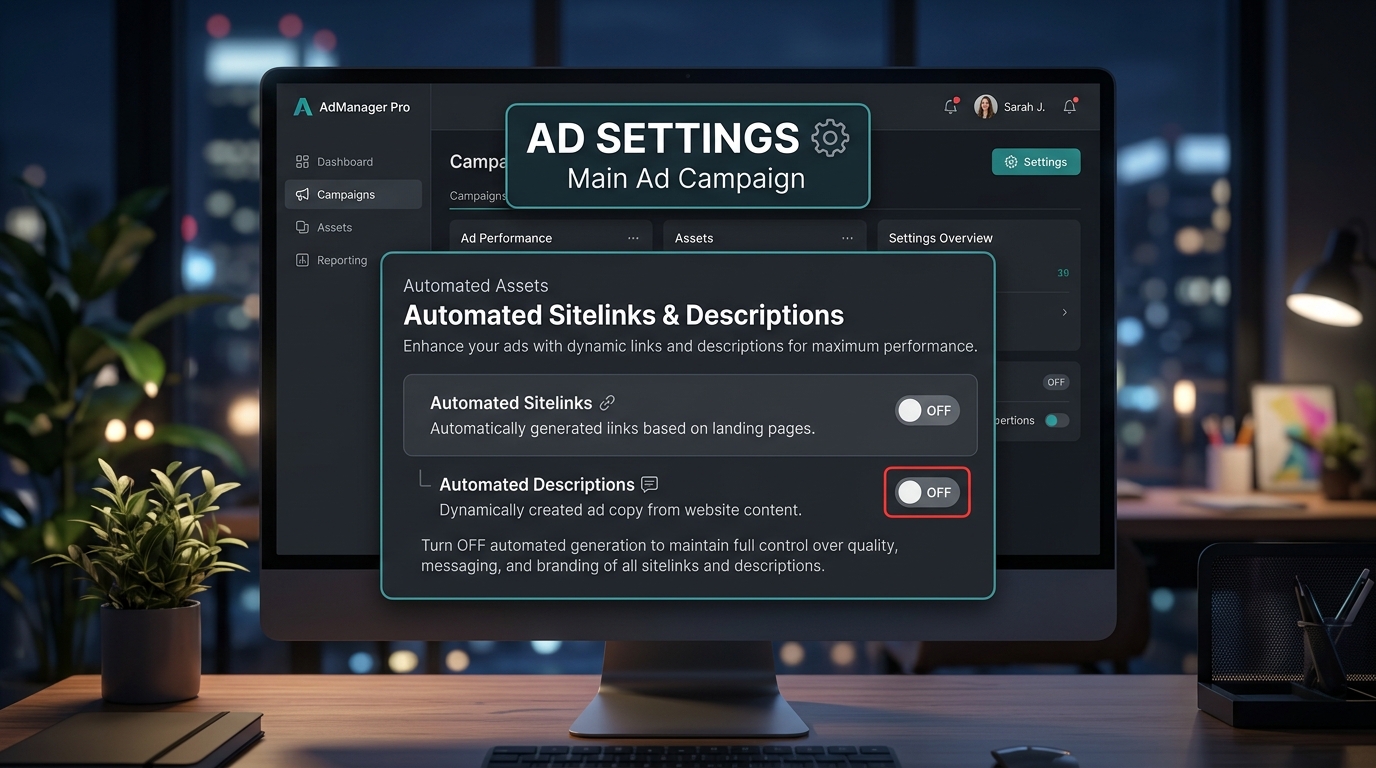
Google can automatically build headlines, descriptions, sitelinks, and other assets. Sometimes that helps. Sometimes it creates a mess.
We have seen automated assets send traffic to the wrong pages or make ads too broad and generic.
That leads to more clicks from people who were never a fit.
Review and limit automation if needed, especially when:
– your service offerings are specific
– you only serve certain cities
– you have minimum job sizes
– you want calls for sales, not hiring
Your ads should sound like your business, not like a generic template.
8. Use your ad copy to filter people out
Your ads should not just attract clicks. They should attract the right clicks.
This is one of the easiest ways to improve lead quality.
Be specific in your messaging:
– name the exact service
– mention your service area
– call out homeowner-focused offers
– include pricing qualifiers when needed
– mention emergency service only if you truly offer it
Examples:
– “Roof Replacement for Homeowners in Dallas”
– “Garage Door Spring Repair in Phoenix”
– “Fence Installation Starting at $3,500”
That kind of copy discourages bad clicks before they happen.
If somebody wants the cheapest possible fix, outside your area, for a service you do not provide, your ad should make that obvious fast.
9. Use conversion-based Smart Bidding

Manual CPC focuses on clicks. That is usually not what a contractor wants.
You do not need cheap traffic. You need profitable jobs.
Once your conversion tracking is solid, use Smart Bidding strategies that optimize for lead actions, such as:
– Maximize Conversions
– Target CPA
If your data is clean, Smart Bidding can help Google find more of the people likely to contact you and actually become customers.
A good starting point:
1. Start with Maximize Conversions
2. Make sure conversion tracking is accurate
3. Move to Target CPA once volume is stable
Just remember: Smart Bidding is only as good as the conversion data feeding it.
10. Add strategic friction to your landing page
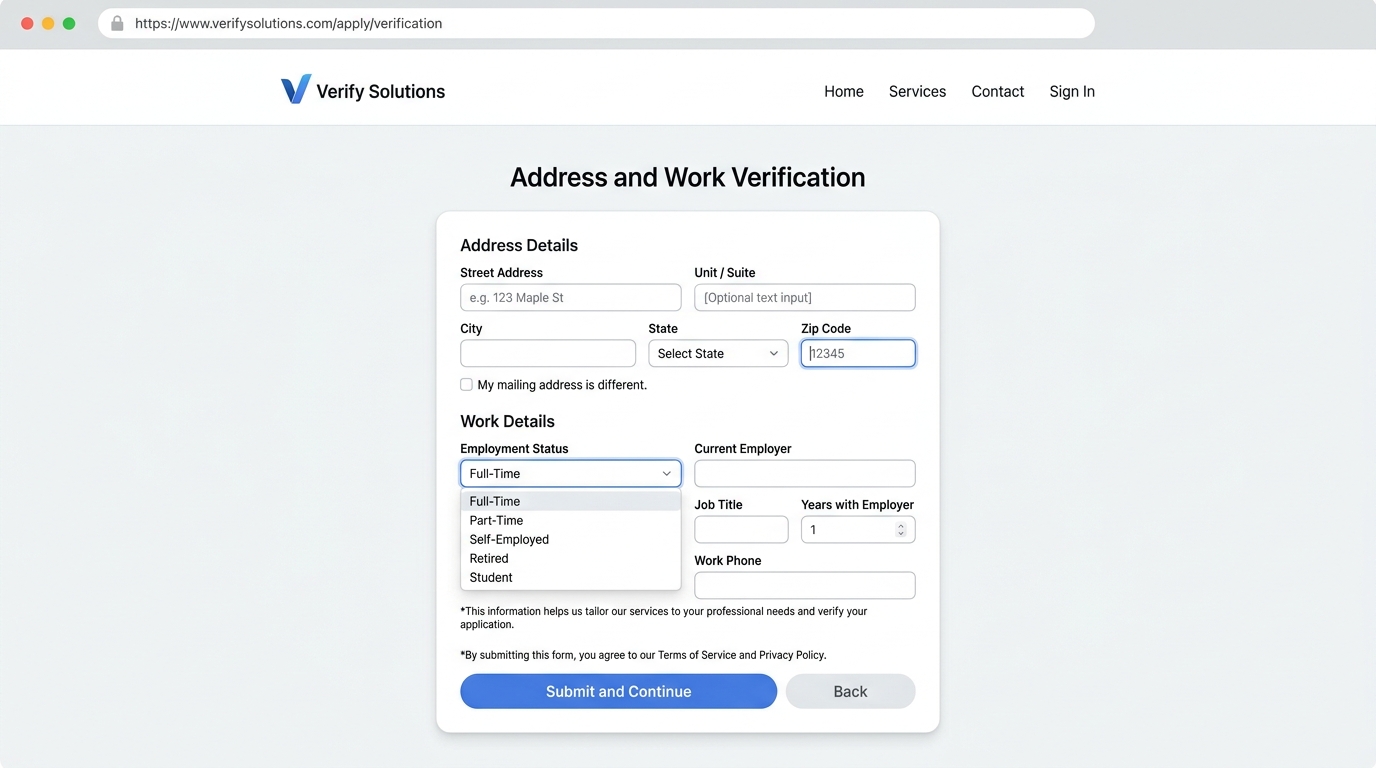
Most landing page advice says to make forms easier and shorter. That is not always the right move.
If you want better leads, a little friction can help filter out bad ones.
Try adding qualifying fields like:
– zip code
– service needed
– property type
– budget range
– project timeline
– homeowner status
Example: A fencing company can ask whether the visitor needs repair or full installation. If full installs are your money-maker, that helps sort leads fast.
Another example: a roofing company can ask whether the property is residential or commercial, or whether insurance is involved.
These questions do two things:
– they help your team qualify faster
– they send better intent signals back into the account when tracked properly
More leads is not the goal. Better leads is the goal.
11. Block bot spam before it becomes fake performance

Some bad leads are not even real people.
If you are getting:
– gibberish form fills
– fake names
– fake phone numbers
– hang-up calls
– repeat spam submissions
You need protection in place.
Use tools like:
– reCAPTCHA
– honeypot fields
– call tracking spam filters
– form validation
– IP filtering where possible
Fake conversions are dangerous because they teach Google the wrong lesson. If spam gets counted as success, the algorithm will go find more spam.
Why these home service lead generation strategies work

The best home service lead generation strategies do not just increase volume. They improve the quality of the signals you send back to Google Ads.
When you combine better tracking, tighter targeting, stronger ad copy, and cleaner landing page qualification, your campaigns become more efficient and more profitable. That is especially important for contractors who need booked jobs, not inflated lead counts.
Final takeaway
If your Google Ads campaigns are producing a lot of leads but very few real jobs, the problem is usually not volume. It is signal quality.
Google will optimize toward whatever you measure. If you measure any call, any click, or any form fill, you will often get more junk. If you measure qualified estimates and sold jobs, performance usually improves.
Start with the basics:
– track real outcomes
– cut weak traffic sources
– tighten targeting
– write more specific ads
– qualify leads on the landing page
– block spam before it pollutes your data
For home service businesses, these home service lead generation strategies are how you stop paying for noise and start buying better jobs.
If you want help improving Google Ads lead quality for your local service business, Kazakov Agency can help you build campaigns that generate real opportunities, not just empty lead counts.
📌 Related Resources & Services
Main Service: Explore our comprehensive Our Core Marketing Services.
Recommended Articles:
Next Step: Learn how we deliver measurable growth — HVAC Lead Generation Guide.