Local Trade Marketing Strategies: Google Display Network for Home Service Businesses
If you run a roofing company, fence installation business, garage door service, handyman company, or another local trade, the Google Display Network can support smarter local trade marketing strategies that keep you in front of homeowners. It can also burn through your budget fast if you set it up the wrong way.
That’s the truth about display ads: they’re not bad, but they’re often misunderstood.
For most home service businesses, the Google Display Network works best for remarketing, brand awareness, and staying visible during a longer buying cycle. It usually does not work as well as Search when you need high-intent leads right now.
What Is the Google Display Network?
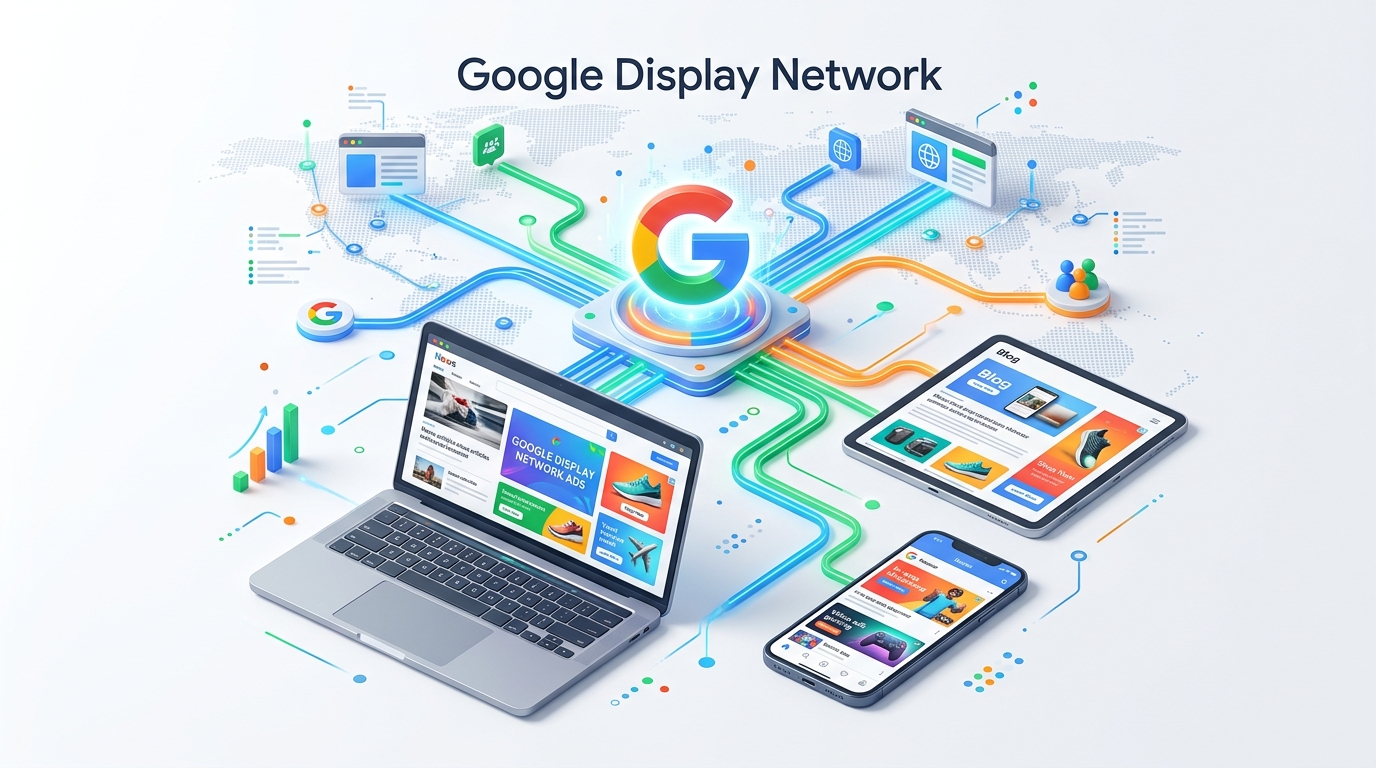
The Google Display Network, or GDN, is a large group of websites, apps, and video platforms where Google can show your ads.
In simple terms:
- A website owner has ad space.
- Google sells that ad space.
- Your business pays to appear there.
So instead of showing up when someone searches “roof repair near me,” your ad may appear while they’re reading a home improvement article, checking the weather, watching videos, or browsing other sites.
That’s why GDN is usually more of a visibility channel than a pure lead-generation machine.
When Display Ads Make Sense for Local Service Companies

For home service businesses, display ads can help in three practical ways.
1. Build local brand awareness
Most homeowners don’t need a contractor every day. But when they do, they usually call a name they’ve seen before.
Display ads help your company stay familiar in your service area.
Example: A homeowner may not need a new fence today. But if they’ve seen your company name, trucks, and offer a few times, you have a better shot when they’re ready.
2. Bring back people who didn’t call the first time
This is where GDN is often strongest.
A lot of people visit your website, look around, then leave. Maybe they got distracted. Maybe they’re comparing estimates. Maybe their spouse still needs to approve the job.
Remarketing ads let you follow up.
That matters for services like:
- roof replacement
- fence installation
- garage door replacement
- auto body repair
- larger handyman projects
3. Support your search campaigns
Search captures demand. Display supports it.
If someone clicks your Google Search ad but doesn’t convert, display ads can keep your business in front of them until they’re ready to reach out.
When Display Ads Usually Don’t Work Well
Let’s be blunt.
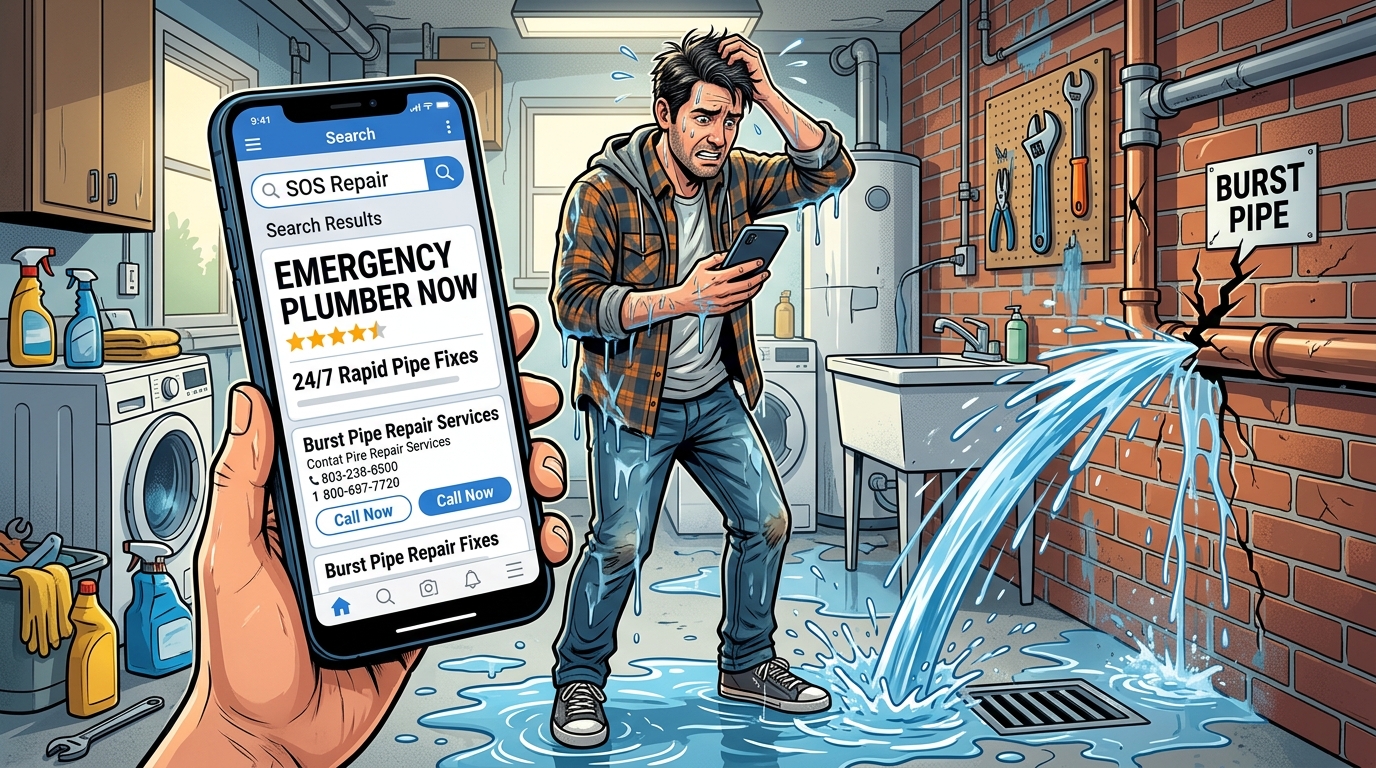
If you need emergency leads fast, Display is usually not your best first move.
For example:
- 24/7 locksmith services
- same-day garage door repair
- urgent roof leak repair
In these cases, Google Search usually outperforms Display by a wide margin because the customer already has intent.
Display works better when:
- the job value is higher,
- the buying cycle is longer,
- brand trust matters,
- or you want to re-engage past visitors.
Local Trade Marketing Strategies for Google Display Ads
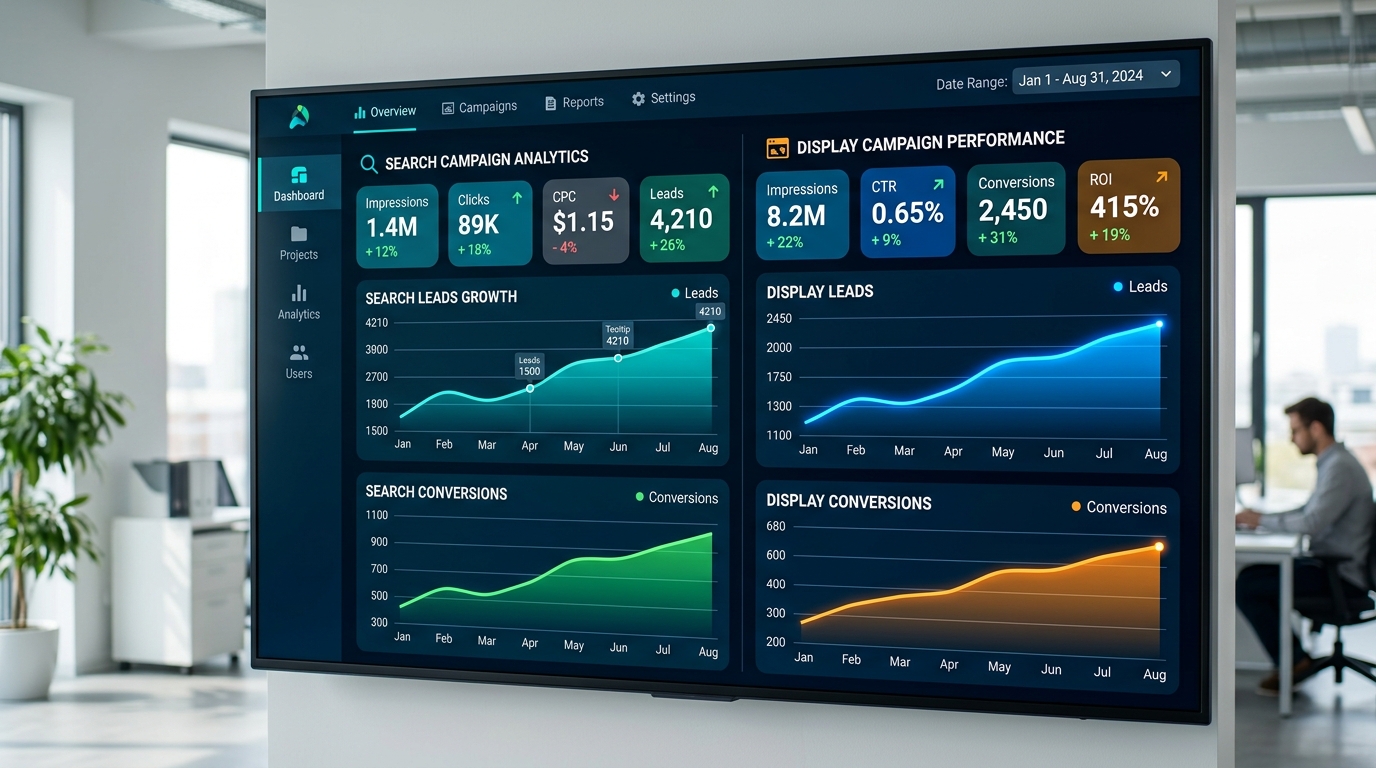
Among practical local trade marketing strategies, display advertising usually works best as a support channel rather than your main source of leads. The strongest approach is using Display to stay visible, reinforce your brand, and bring back visitors who already showed interest.
3 Ways to Run Google Display Ads
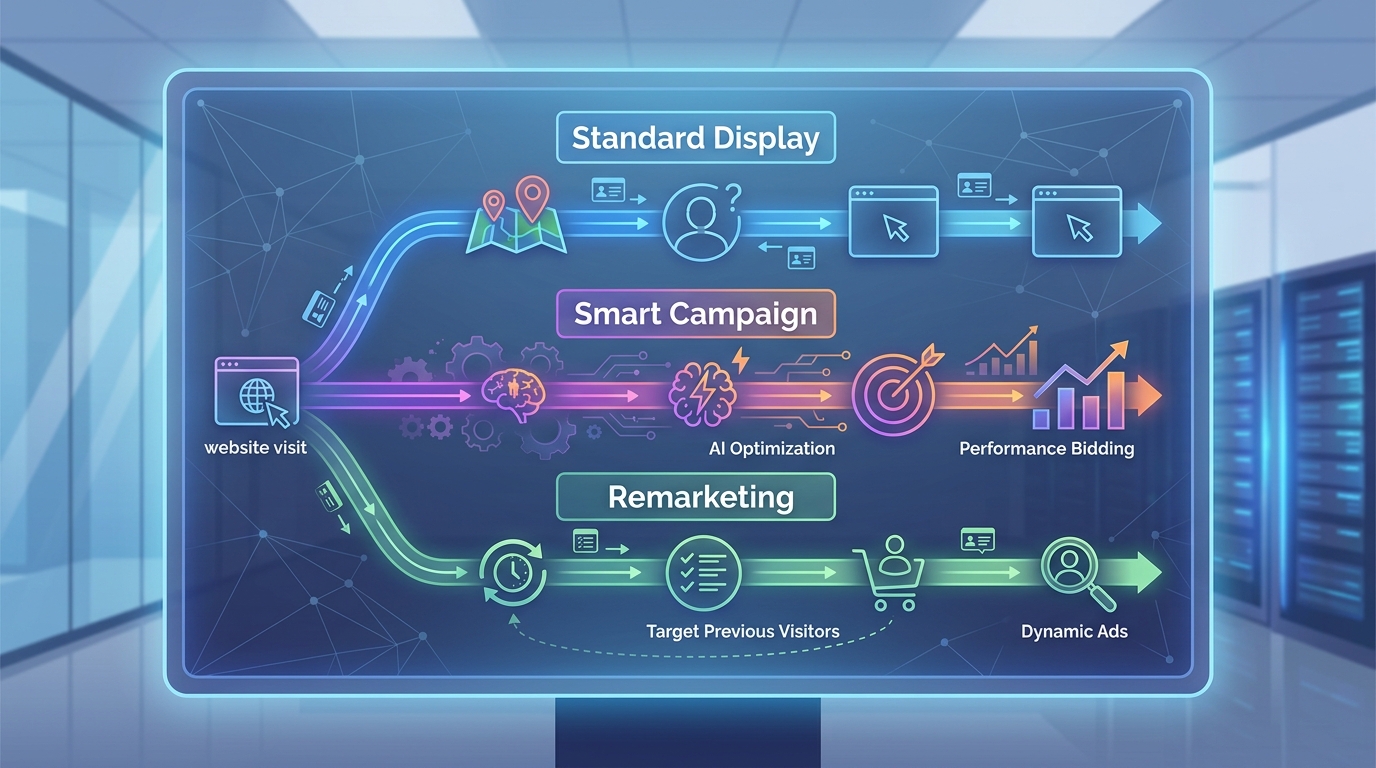
Google now offers a few different campaign types that can place ads across the Display Network.
1. Standard Display Campaigns
This is the most direct way to run GDN ads.
Best for:
- more control,
- specific targeting,
- remarketing campaigns,
- testing placements and audiences.
If you want cleaner control over where ads run and who sees them, this is usually the best place to start.
2. Performance Max
Performance Max runs across multiple Google properties, not just display. That includes Search, YouTube, Gmail, Maps, Discover, and GDN.
Best for:
- businesses with strong conversion tracking,
- accounts already generating lead volume,
- advertisers comfortable with automation.
Main downside: less transparency.
For lead gen in home services, Performance Max can produce leads, but lead quality can be uneven if the setup is weak.
3. Demand Gen
Demand Gen is built for upper-funnel visibility across YouTube, Discover, Gmail, and the Display Network.
Best for:
- brand awareness,
- visual offers,
- retargeting with stronger creative,
- businesses preparing for Google’s shift away from older Display campaign types.
For many local businesses, Demand Gen is worth testing, but it still needs tight targeting and realistic expectations.
Which Ad Format Should You Use?
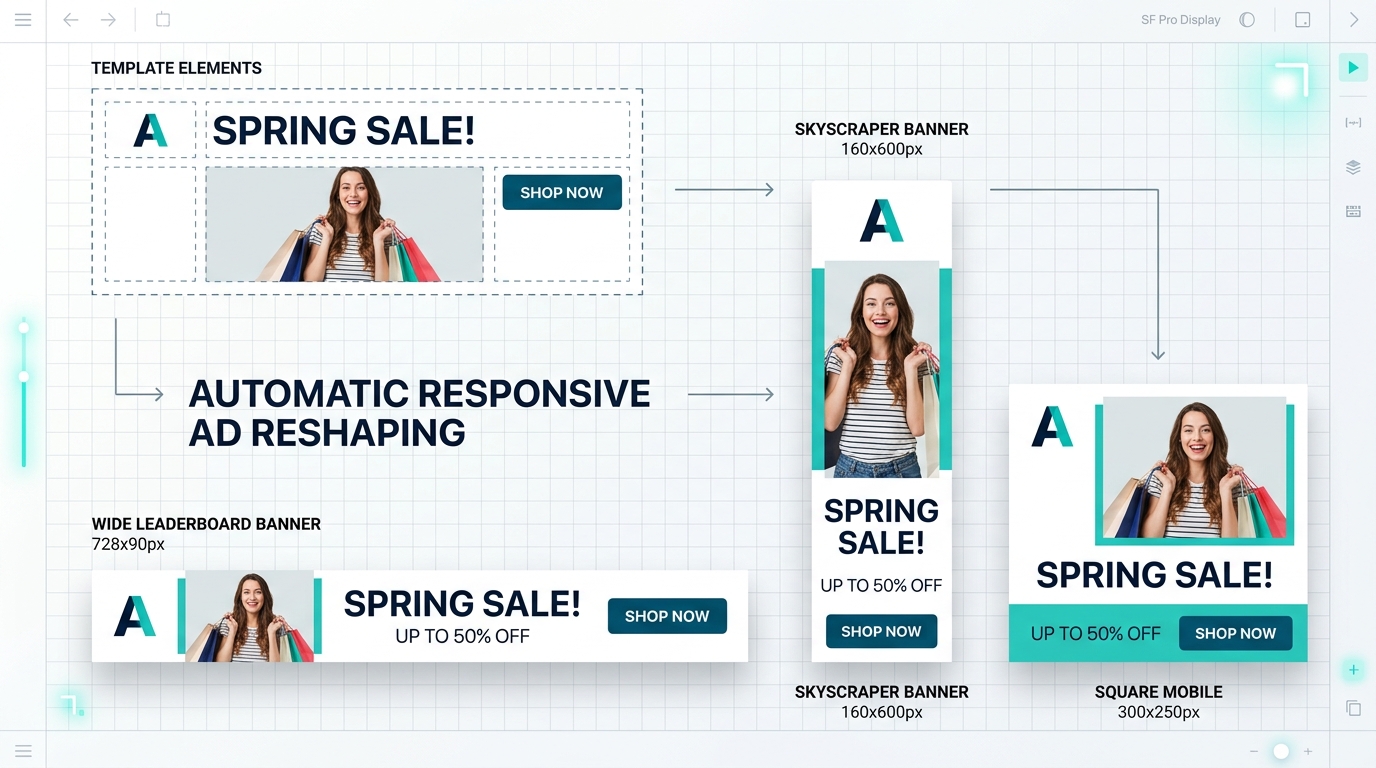
There are three main display ad formats.
Responsive Display Ads
Google mixes and matches your headlines, descriptions, logos, and images to fit different placements.
Best for:
- smaller businesses,
- faster launch,
- lower design workload.
Downside: less control over final appearance.
Static Banner Ads
These are custom-designed image ads in fixed sizes.
Best for:
- stronger branding,
- better visual control,
- promotions with one clear message.
Downside: you need good design, and you need multiple sizes.
HTML5 Ads
These are animated or interactive ads.
Best for:
- larger brands,
- advanced creative campaigns,
- higher production budgets.
For most home service companies, responsive or static banners are the practical choice.
Best Targeting Options for Home Service Businesses

There are two big targeting buckets on GDN: audience targeting and contextual targeting.
Audience targeting
This focuses on the person.
Useful options include:
- Remarketing: previous website visitors. Usually the best display audience for local service companies.
- In-market audiences: people Google believes are actively researching related services.
- Custom audiences: people based on keywords, interests, or competitor-related behavior.
- Affinity audiences: broader interest groups. Better for awareness than lead quality.
Contextual targeting
This focuses on the content someone is viewing.
Useful options include:
- Keywords: show ads on pages related to selected terms.
- Topics: show ads around broader themes like home improvement.
- Placements: choose exact websites, apps, or videos.
A smart starting point
If you’re a local contractor, start here:
- Run Search first for high-intent leads.
- Build remarketing audiences from site visitors.
- Launch Display remarketing with a small controlled budget.
- Test in-market or custom audiences only after remarketing works.
How to Avoid Wasting Money on GDN
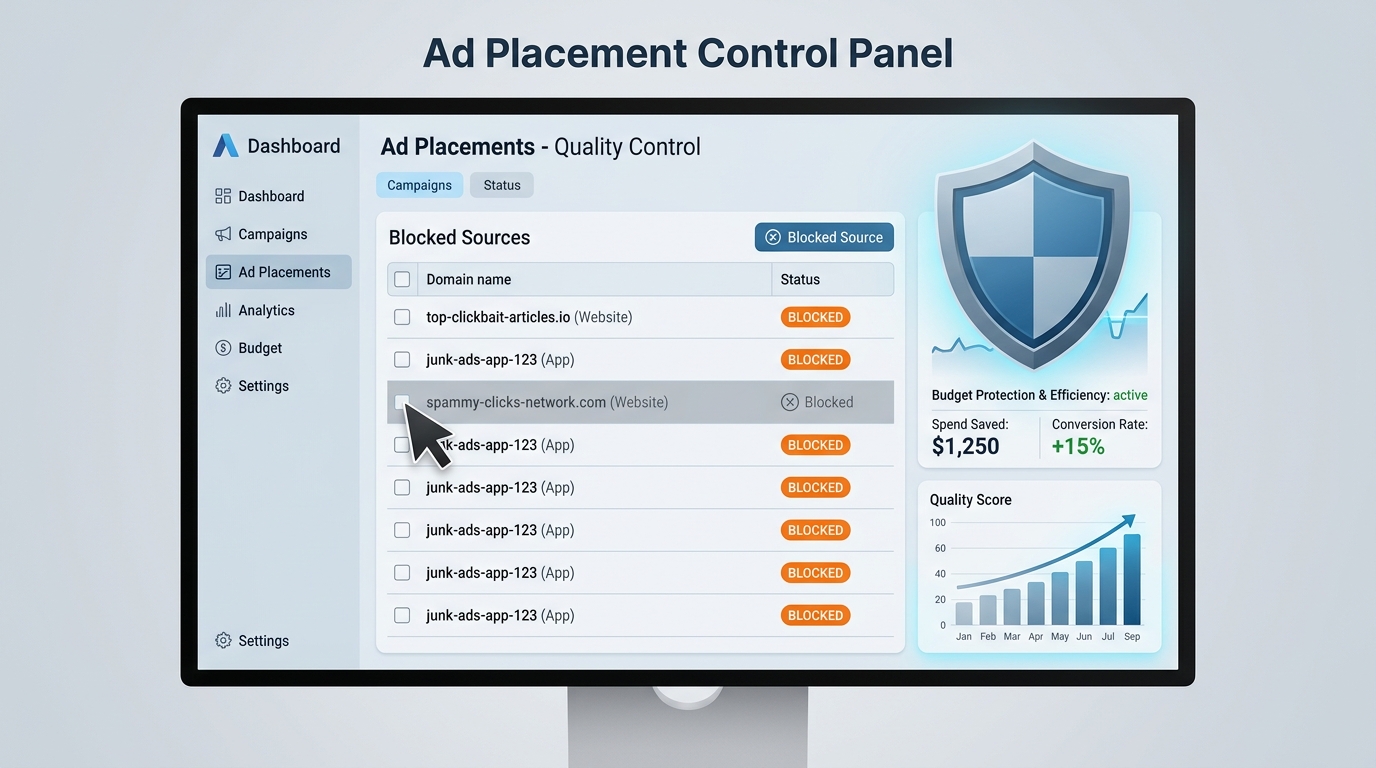
This is where most businesses get hurt.
Google makes it easy to launch display ads. That does not mean it’s easy to make them profitable.
Here are the main rules.
1. Watch placements closely
Not every placement is worth paying for.
Review where your ads are showing and exclude junk placements regularly. This matters even more in the first few weeks.
2. Keep geography tight
If you only serve certain cities or counties, your campaign should reflect that.
A local roofer doesn’t need clicks from three states away.
3. Use conversion tracking properly
If phone calls, form submissions, and booked jobs aren’t tracked correctly, Google will optimize for the wrong thing.
For local service companies, you should at minimum track:
- calls from ads,
- calls from the website,
- form submissions,
- qualified leads when possible.
4. Match the offer to the audience
A cold audience usually won’t respond to the same message as someone who already visited your site.
Examples:
- Cold audience: “Top-Rated Roofing Company in Dallas”
- Remarketing audience: “Still Comparing Roof Estimates? Book Your Free Inspection”
5. Don’t judge display only by last-click leads
Display often assists conversions instead of closing them directly.
A homeowner may see your banner ad today, search your company name next week, and call from a branded search ad later. That doesn’t mean display failed.
It means it helped.
Brand Safety Matters

Your ads should not appear everywhere just because Google can place them there.
Use brand safety controls like:
- inventory settings,
- placement exclusions,
- topic exclusions,
- sensitive content exclusions,
- brand guidelines for logos, colors, and messaging.
If your company has worked hard to build trust, don’t let sloppy ad placement damage it.
Simple Best Practices That Usually Win
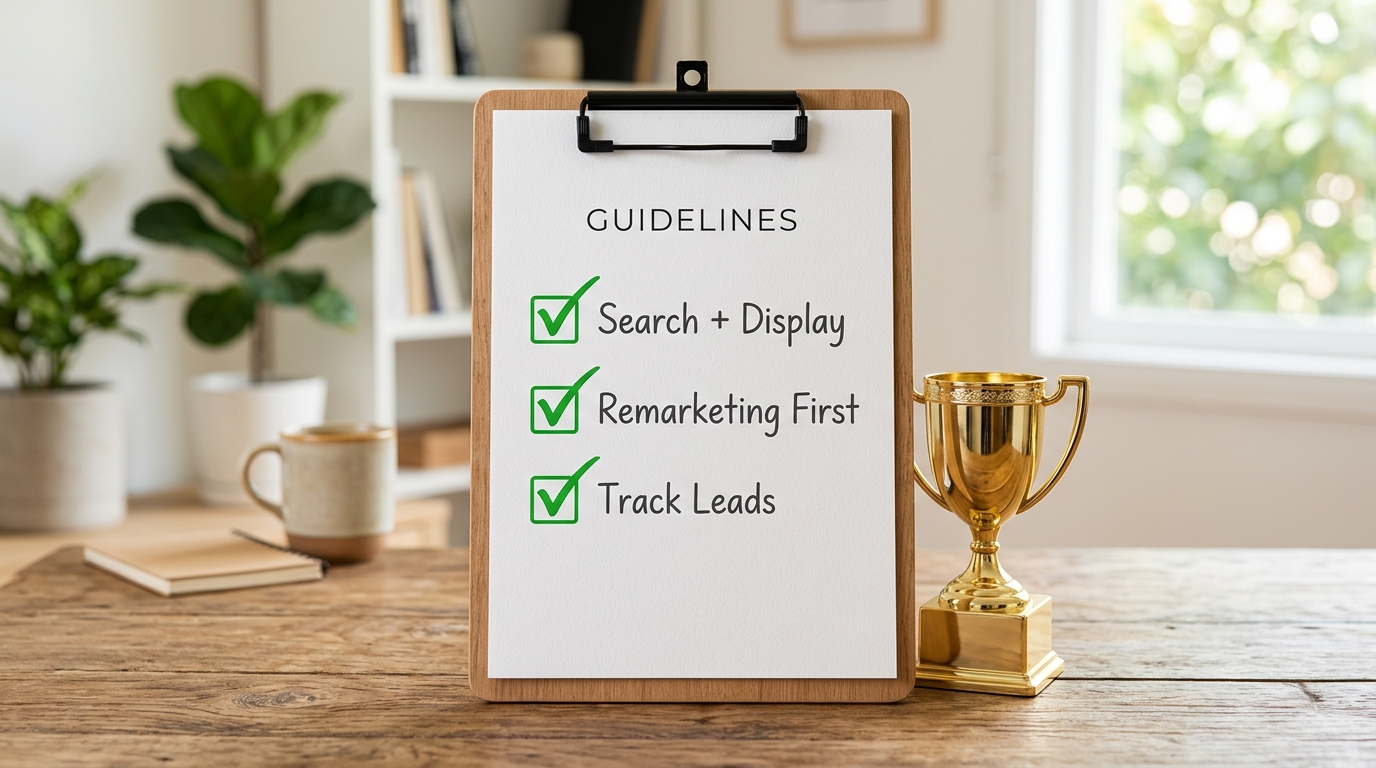
If you want better odds of success, keep it simple:
- Use Search for intent, Display for support.
- Start with remarketing before broad audience targeting.
- Use clear offers and strong visuals.
- Review placements often.
- Track real leads, not just clicks.
- Keep budgets controlled until performance proves out.
These are the kinds of local trade marketing strategies that help contractors use Google Ads more efficiently without overcomplicating the account.
Final Take

The Google Display Network can work for home service businesses, but only when you use it for the right job.
If you expect it to replace high-intent Search campaigns, you’ll probably be disappointed. If you use it to stay visible, re-engage past visitors, and strengthen your overall lead pipeline, it can absolutely earn its place.
For most local service companies, the best move is simple: start small, target tightly, and measure real business results.
If you want help building Google Ads campaigns that actually bring in qualified local leads, Kazakov Agency can help you set up the right strategy without wasting budget.
📌 Related Resources & Services
Main Service: Explore our comprehensive Local SEO Services.
Recommended Articles:
Next Step: Learn how we deliver measurable growth — Our Service Locations.